

Where to Stay in the Namibian Kalahari: The Complete Guide (2026)
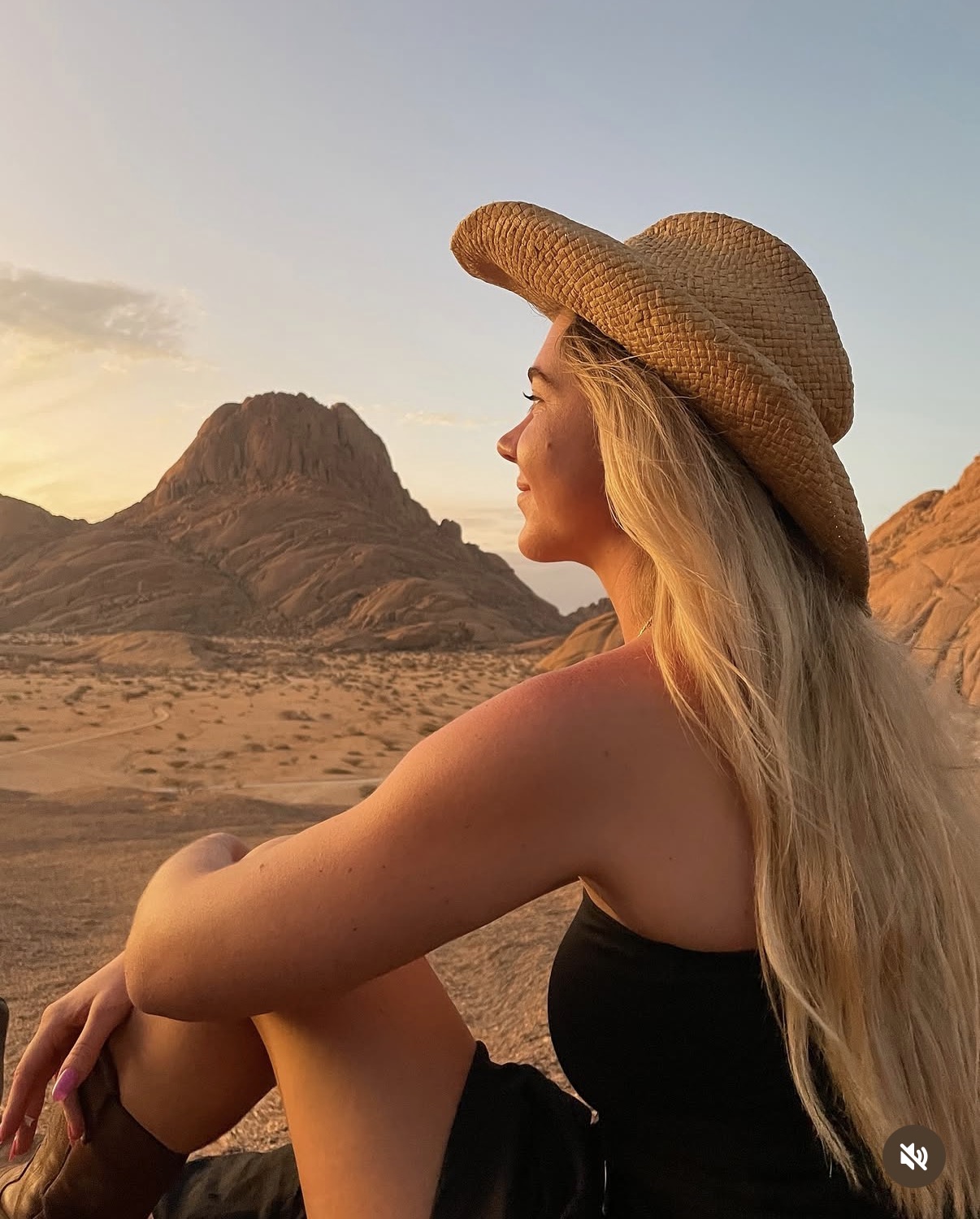
Planning a trip to the Namibian Kalahari and wondering where to stay? Whether you’re looking for a luxury lodge in Namibia, a boutique safari experience, a romantic honeymoon escape or the perfect stop on a self-drive adventure, the Kalahari offers some of the country’s most unforgettable accommodation. From private villas and luxury tented camps to exceptional wildlife, guided game drives, walking experiences and world-class stargazing, this guide will help you discover the best places to stay in the Namibian Kalahari and choose the lodge that’s right for your Namibia journey.
Most people imagine endless red dunes stretching to the horizon. While that image isn’t entirely wrong, the Kalahari is far more diverse than many travellers realise. Covering parts of Namibia, Botswana and South Africa, it offers rolling red sands, ancient camel thorn forests, wide open grasslands and remarkable wildlife, creating one of Southern Africa’s most peaceful and rewarding safari destinations.

Unlike some of Africa’s busier safari destinations, the Namibian Kalahari offers space, silence and a slower pace of travel. Here, the experience is less about ticking animals off a list and more about immersing yourself in nature—watching giraffe walk between acacia trees, spending time with habituated meerkats, enjoying spectacular sunsets and some of the darkest night skies in the world.
Choosing where to stay can make a significant difference to your experience, as the Kalahari stretches across a vast area with landscapes, activities and accommodation that vary considerably from one region to another. This guide explains the different parts of the Namibian Kalahari, what each offers and how to choose the best lodge for your style of travel, whether you’re planning a honeymoon, self-drive adventure, luxury safari or relaxing escape close to Windhoek.
In this guide
What is the Namibian Kalahari?
Where is the best place to stay?
Northern vs Southern Kalahari
What makes a great Kalahari lodge?
Best luxury lodges in the Namibian Kalahari
Wildlife and experiences
Best time to visit
Frequently asked questions
What is the Namibian Kalahari?
Kalahari Desert
Size: 900,000 sq. km (350,000 sq. mi)
Created: 40 to 60 million years ago
The Place Without Water
The Kalahari, named from the Tswana word “Kgalagadi,” translates to “the place without water.” However, don’t let that fool you; this stunning desert in Namibia teems with unique wildlife and resilient plant life that thrive in its arid beauty.
The Kalahari Desert is a massive, semi-arid savannah in Southern Africa, known for its terracotta-colored dunes, golden grasslands, and untamed wilderness. Imagine experiencing a crowd-free safari where you can encounter rare desert-adapted wildlife, witness starry night skies, and connect with the ancient culture of the San people.
Here is a closer look at what makes the Namibian Kalahari special and why it deserves a spot on your travel itinerary:
Because the Kalahari lacks permanent surface water, its animals have evolved survival strategies that make wildlife viewing deeply rewarding.
Top Predators: It is famous for the majestic black-maned Kalahari lion, as well as cheetahs, leopards, and brown hyenas.
Desert Survivors: You will spot gemsbok (oryx), which can raise their body temperature to avoid sweating, and springbok that get their moisture from the plants they eat.
Iconic Sightings: The region is a haven for meerkats, bat-eared foxes, ostriches, and the massive, communal nests of sociable weaver birds.
2. Breathtaking Landscapes
The terrain is vastly different from a typical rocky or sandy desert.
Red Sand Dunes: In the south (especially stretching into Namibia), glowing red dunes meet dusty scrubland and camelthorn trees, offering incredible photography opportunities.
Starry Skies: Located far from light pollution, the Kalahari is known for some of the clearest, most star-filled night skies on the planet.
3. Deep Cultural Heritage
The Kalahari is the ancestral home of the San (Bushmen), who have lived as nomadic hunter-gatherers here for roughly 20,000 years. Visiting offers guided cultural experiences where you can learn tracking skills, survival techniques, and the land's history directly from local people.
4. Solitude and Tranquility
Unlike the crowded parks in East Africa or the Okavango Delta, the Namibian Kalahari offers vast, unfenced spaces. Namibian reserves like the Otjimbondona Kalahari Reserve and private conservancies let you enjoy true tranquility, self-drive adventures, and exclusive wildlife experiences with the sense that you have the desert to yourself.
5. Unique Activities and Experiences
The Namibian Kalahari is ideal for hot air ballooning over the dunes, guided walks with San trackers, horseback safaris, and sunset drives that showcase the desert’s ever-changing colors. Many lodges offer educational tours about conservation and the delicate desert ecosystem, giving travelers a deeper appreciation for this remarkable region.
6. Accessibility and Comfort
Traveling in the Namibian Kalahari is straightforward, with good road infrastructure and a range of accommodations from rustic campsites to luxury lodges. The region is easily reached from Windhoek, making it a perfect addition to a Namibian road trip or a standalone destination for those seeking adventure coupled with comfort.
In summary, the Namibian Kalahari rewards visitors with rare wildlife, striking scenery, ancient culture, and immersive experiences—making it a must-visit for adventurous and curious travellers.

Northern vs Southern Kalahari
Exploring the Northern and Southern Kalahari in Namibia is like discovering two totally different sides of this legendary “fossil desert.” Up north, you’ll find a lush savannah with ancient dry riverbeds and vibrant vegetation, while the south showcases stunning red sand dunes and open, dry scrubland. Here’s a quick guide to help you plan your adventure:
1. The Northern Kalahari (Omaheke & Kavango East)
Head east from Windhoek towards the Kavango River and Okavango Delta, and you’ll find the Northern Kalahari. This area gets way more rainfall, making it a green paradise with bush-savannah vibes.
Landscape: Think dense woodlands filled with Acacia and Camelthorn trees, and instead of towering sand dunes, you’ll see ancient dry river valleys known as omuramba.
Climate: It’s sub-humid, with annual rainfall ranging from 300 mm to over 500 mm, which means the greenery really comes alive in the summer.
Wildlife & Activities: This spot is a birdwatcher’s dream and perfect for spotting plains game like kudu and giraffes. Plus, you’ll find plenty of cozy guest farms and lodges to stay in.
Accessibility: Getting there is a breeze via the B6 highway heading east from Windhoek.

2. The Southern Kalahari (Hardap & Karas Regions)
Travel south from the capital toward the borders of South Africa and Botswana, and you’ll enter the dry, dramatic Southern Kalahari, where the classic “red desert” experience awaits.
Landscape: Picture those iconic, rippling deep-red sand dunes, complemented by resilient grasses, shrubs, and the occasional tree.
Climate: It boasts a semi-arid or “Kalaharian” climate, with much less rainfall—around 100 mm to 200 mm—compared to the north.
Wildlife & Activities: Here, you’ll encounter tough desert-adapted wildlife like gemsbok (oryx), springbok, bat-eared foxes, meerkats, and even predators like cheetahs and brown hyenas. Don’t miss out on exploring the Quivertree Forest near Keetmanshoop or visiting the stunning Kgalagadi Transfrontier Park.
Vibe: It’s remote and vast, giving you a perfect sense of isolation and some of the best stargazing you can imagine.

So, whether you’re into lush greenery or dramatic deserts, the Kalahari has something unforgettable to offer!
Which Kalahari Lodge is Right for you?
Finding the "best" spot to stay in the Namibian Kalahari really comes down to what kind of traveler you are, but there are definitely some standout lodges that shine for their breathtaking red dune views, amazing wildlife, and top-notch hospitality. Here’s a quick rundown of the top places to stay based on different travel styles:
For Luxury & Exclusivity: Check out Bagatelle Kalahari Game Ranch. Tucked away on the edge of the southern Kalahari, this place is all about luxury with its stunning bungalows designed in traditional African style, all set against a backdrop of dramatic red sand dunes. Plus, you can enjoy upscale dining, horseback riding, and guided walks with the bushmen.
Romantic Luxury & Honeymoons: Otjimbondona Kalahari is a Hidden-gem just 120km southeast of Windhoek. This intimate retreat boasts four beautifully decorated villas, making it the ideal for couples wanting privacy, luxury villas and unforgettable sunsets.
For Families & Value: Kalahari Anib Lodge is your go-to if you’re traveling with family or a big group. Located in Gondwana Kalahari Park near Mariental, it offers various room types, two swimming pools, and easy access to the stunning golden grasslands and local wildlife.
For Self-Drive Adveturers & Authentic Bush Camps: If you’re looking for an experience that combines comfort with a closer connection to nature, Camp Kalenga offers luxury safari tents surrounded by the tranquillity of the northern Kalahari. Or Alternatively Kalahari Anib Camping2Go - Both are Ideal for self-drive travellers, couples and small groups, the camp provides private outdoor spaces, beautiful sunsets, campfire evenings.
For Glamping & Desert Vistas: Don’t miss Kalahari Red Dunes Lodge, about 200km southeast of Windhoek. Nestled in a lovely Ondili nature reserve, it features thirteen private chalets and a gorgeous pool with a sun terrace where you can soak in the sunset over those iconic dunes.
Whichever you choose, you’re in for an unforgettable experience!

How to Book Your Stay and Prepare for Your Trip
Booking Tips
Book well in advance, especially for luxury lodges, as they fill up quickly during peak seasons (May to October).
Check cancellation policies and travel insurance options.
Confirm what is included in your stay, such as meals, game drives, and transfers.
What to Pack
Lightweight, neutral-colored clothing for daytime
Warm layers for chilly nights
Sun protection: hat, sunscreen, sunglasses
Binoculars and camera for wildlife viewing
Comfortable walking shoes
Health and Safety
Carry insect repellent and any necessary medications.
Drink bottled or purified water.
Follow guides’ instructions during wildlife encounters.
Activities to Explore While Staying in the Kalahari
Your choice of accommodation often influences the activities available. Here are some popular options:
Game Drives: Spot lions, giraffes, oryx, and meerkats.
Guided Bush Walks: Learn about desert flora and fauna up close.
Cultural Visits: Meet the San people and learn about their traditions.
Stargazing: The clear desert skies offer spectacular views of the Milky Way.
Best Time to visit
The best time to explore the Namibian Kalahari really depends on what you're looking for. If you're all about wildlife, May to September is your sweet spot. But if you want to see stunning green landscapes and do some amazing birdwatching, then November to April is the way to go. Here’s a quick seasonal breakdown to help you pick the perfect time for your adventure:
Dry Season (May to September)
The Vibe: This is peak safari season! The weather is dry, with sunny, mild days that are just perfect for exploring.
Wildlife Viewing: Spotting animals is a breeze since water sources dry up, drawing wildlife to the remaining waterholes. Keep an eye out for gemsbok, giraffes, cheetahs, and those iconic black-maned lions of the Kalahari.
Temperatures: Expect daytime temps around a comfy 20°C to 25°C, but be ready for some seriously chilly nights that can dip below freezing.
Wet & Green Season (November to April)
The Vibe: Known as the "Green Season," this time of year turns the dusty desert into a lush paradise thanks to summer rains.
Wildlife Viewing & Birding: It’s a birdwatcher's dream, with over 200 species migrating in. Plus, you'll see plenty of grazing animals and adorable newborns.
Temperatures: It gets hot, averaging around 35°C and sometimes soaring to a sizzling 45°C!
So, are you leaning more toward wildlife photography and safaris, or are desert landscapes and stargazing more your thing?
Frequently Asked Questions
Is the Kalahari worth a visit in Namibia?
Absolutely! The Namibian Kalahari offers a unique experience that’s different from the Namib Desert. With its serene landscapes, fascinating wildlife, stunning sunsets, and incredible stargazing, it’s a perfect getaway. If you’re looking for a more intimate safari experience away from the crowds, this is the place to be!
What’s the best area to stay in the Namibian Kalahari?
It really depends on your preferences! The southern Kalahari boasts iconic red dunes and classic safari scenery, while the northern Kalahari features rolling hills, acacia woodlands, and luxury lodges. The north is also conveniently close to Windhoek, making it a great start or finish to your Namibia adventure.
How many nights should I spend in the Kalahari?
Two to three nights is perfect for most visitors. This gives you ample time for game drives, nature walks, stargazing, and relaxation. If you’re on a self-drive journey, even a single night can be a memorable experience.
Can I self-drive to the Kalahari?
Yes, indeed! Namibia is one of Africa's top self-drive destinations, and most lodges in the Kalahari are easily reachable by road. Just be sure to check road conditions beforehand and plan to arrive before sunset.
Is the Kalahari a good spot for honeymooners?
Definitely! Many luxury lodges feature private villas, plunge pools, and stunning outdoor dining experiences. With its tranquil surroundings, the Kalahari is one of the most romantic destinations in Namibia.
Can you spot the Big Five in the Kalahari?
Not quite. The Kalahari isn't a traditional Big Five destination, but you'll encounter wonderful species like giraffes, oryx, springbok, and an amazing variety of birds. Some private reserves even offer unforgettable meerkat experiences!
What’s the best time to visit the Kalahari?
You can enjoy the Kalahari any time of year! Winter (May to September) offers cool weather and excellent wildlife viewing, while summer (October to April) brings dramatic thunderstorms and lush landscapes, perfect for birdwatching.
How does the Kalahari differ from the Namib Desert?
The Namib is one of the world’s oldest deserts, known for its towering dunes and extreme dryness. The Kalahari receives more rainfall, allowing for grasses, shrubs, and camel thorn trees, making it richer in vegetation and wildlife as well as the iconic red dunes.
How far is the Kalahari from Windhoek?
It varies by which part of the Kalahari you’re visiting. The northern Kalahari is just over an hour from Windhoek, while the southern lodges generally require a longer drive (4-5 Hours)
What should I pack for a Kalahari safari?
Bring lightweight clothing for the warm days and warm layers for the cool mornings and evenings. Don’t forget comfortable shoes, sunscreen, a hat, sunglasses, binoculars, and your camera. Winter nights can get surprisingly chilly!
Is the Kalahari suitable for families?
Absolutely! Many lodges welcome families and offer activities for kids, while others cater to romantic or adults-only experiences. The right lodge depends on your travel style and interests.
What sets the Kalahari apart from other safari destinations?
The Kalahari is more than just wildlife; it’s about vast landscapes, pure tranquility, breathtaking night skies, unique walking experiences, and personalized hospitality. Here, you can truly connect with nature at a leisurely pace.

Final Thoughts
So, whether you’re enchanted by the stunning red dunes of the southern Kalahari, the lush landscapes up north, or just craving some quality time with nature, the Namibian Kalahari is truly a one-of-a-kind destination. From thrilling wildlife encounters and breathtaking stargazing to luxurious lodges, authentic bush camps, and scenic strolls, there’s something here for every type of traveler.
If you’re after a boutique luxury getaway in the northern Kalahari, look no further than Otjimbondona Kalahari. This gem is the perfect launchpad to explore all the wonders this incredible region has to offer. With private villas, Camp Kalenga, guided game drives, meerkat encounters, wellness experiences, and the unique Kalahari Kamino walking adventure, it’s an ideal spot to kick off or wrap up an unforgettable journey through Namibia.
We hope this guide inspires your Kalahari adventure, and no matter where your travels take you, may they fill your heart with memories that last a lifetime!
Comments